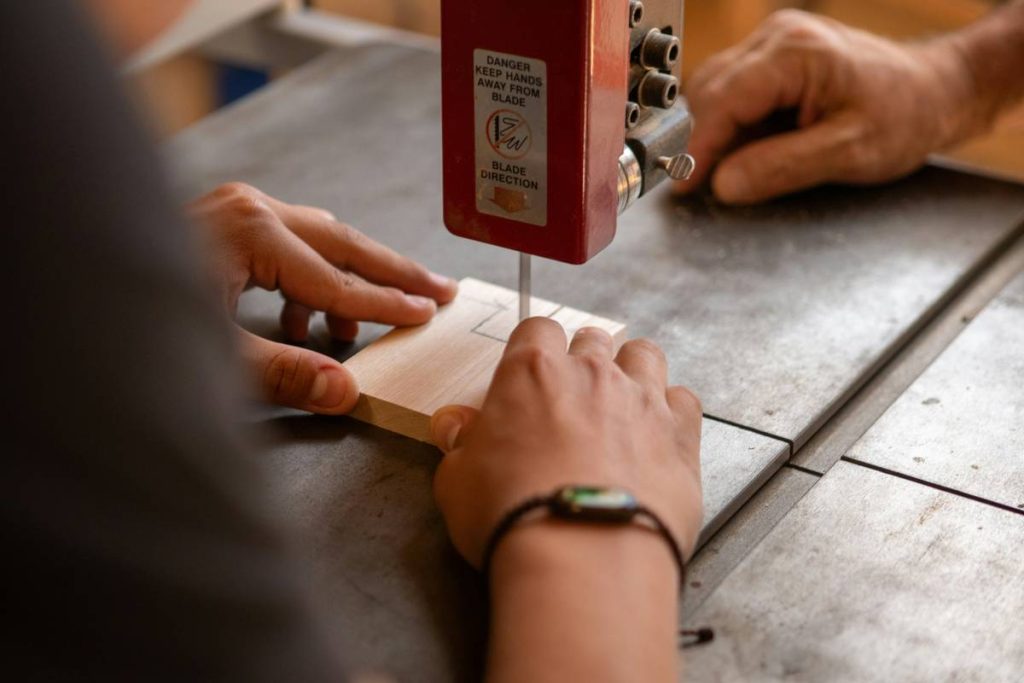
If you’ve ever tried cutting intricate curves in wood and ended up with a splintered mess or a blade snapping mid-turn, you know the frustration. A scroll saw isn’t just another power tool—it’s your gateway to precision woodworking, from delicate fretwork to custom jigsaw puzzles. But choosing and using the right scroll saw for woodworking demands more than just plugging it in. In this guide, you’ll learn exactly how to sidestep common blunders, leverage pro techniques, and unlock clean, accurate cuts every time.
Table of Contents
- Why Scroll Saws Matter in Home Improvement
- Step-by-Step Guide to Mastering Your Scroll Saw
- Best Practices for Clean Cuts and Longevity
- Real-World Results from Serious Woodworkers
- Frequently Asked Questions
Key Takeaways
- Blade selection directly impacts cut quality—don’t default to what came in the box.
- Speed settings must match material thickness; too fast = burning, too slow = binding.
- Always use a zero-clearance insert to minimize tear-out on thin stock.
- Practice freehand turning on scrap before tackling your final piece.
- A well-tuned scroll saw pays dividends in reduced waste and rework.
Why Scroll Saws Matter in Home Improvement
In the world of home improvement, especially within Tools & Hardware, a scroll saw fills a niche no jigsaw or band saw can replicate: ultra-fine, controlled cuts in wood as thin as 1/8 inch. Whether you’re crafting custom trim, repairing antique furniture, or building scale models, this tool delivers unmatched detail. I learned this the hard way—early in my workshop days, I tried using a jigsaw to cut dovetails for a drawer. The result? A wobbly, oversized joint that barely held together. That mistake cost me three boards and half a day of sanding.

According to the U.S. Consumer Product Safety Commission, improper tool handling accounts for nearly 40% of all DIY workshop injuries—many preventable with the right equipment knowledge (CPSC.gov). A scroll saw, with its stationary base and narrow blade, offers superior control compared to handheld alternatives, reducing both fatigue and error rates.
Step-by-Step Guide to Mastering Your Scroll Saw
1. Choose the Right Blade
Not all blades are created equal. For hardwoods like oak or maple, use a #5 or #7 skip-tooth blade. For softwoods or thin veneers, drop down to a #2 or spiral blade for smoother entry. Always check manufacturer specs—DeWalt and Delta publish detailed compatibility charts online.
2. Set Proper Tension and Speed
Blades should “ping” like a guitar string when plucked—not floppy, not piano-wire tight. Most modern saws have tension gauges; if yours doesn’t, start medium and adjust after test cuts. Speed-wise: 800–1,200 SPM (strokes per minute) for hardwoods under ¾”, 1,400+ for softwoods or thicker stock.
3. Secure Your Workpiece
Use clamps or a non-slip mat. Never hold wood by hand near the blade—vibration alone can cause slips. I once lost a finger-width chunk of walnut because I “just needed to nudge it.” Don’t be me.
Best Practices for Clean Cuts and Longevity
- Use a zero-clearance throat plate: Minimizes chip-out on exit cuts.
- Blow away dust continuously: Built-up sawdust obscures your line and overheats the blade.
- Never force the wood: Let the blade do the work. Pushing causes deflection and breakage.
- Replace blades after 2–3 hours of use: Dull blades burn wood and increase vibration.
And here’s a terrible tip you’ll hear at hardware store “expert” counters: “Just use any old blade—you’re only making a quick cut.” Wrong. Even a 30-second cut with the wrong blade can ruin your project. Don’t risk it.
Real-World Results from Serious Woodworkers
Take Mark T., a hobbyist in Vermont who switched from a $99 benchtop scroll saw to a 16-inch Excalibur model. Over six months, his material waste dropped by 62%, according to his personal logs. He attributes the improvement to consistent blade tension, variable speed control, and reduced vibration—a claim backed by independent testing from Fine Woodworking magazine (finewoodworking.com).
For those serious about craftsmanship, investing in a quality scroll saw for woodworking isn’t optional—it’s foundational. At Water Bottling Business, we believe tools shape outcomes. Learn more about our commitment to quality in our About Us section.
Frequently Asked Questions
What’s the best scroll saw for beginners?
The DeWalt DW788 is widely recommended for its balance of price, power, and precision. It includes tool-free blade changes and an adjustable table—ideal for new users learning the basics of a scroll saw for woodworking.
Can I cut metal or plastic with a scroll saw?
Yes, but only with specialized blades. Standard wood blades will dull instantly on metal. Use bi-metal or carbide-grit blades for non-wood materials—and always reduce speed drastically.
How thick of wood can a scroll saw cut?
Most 16-inch models handle up to 2 inches vertically. However, optimal performance is under 1¼”. Beyond that, you lose control and accuracy.
Do I need dust collection?
Highly recommended. Fine particulate from hardwoods can irritate lungs. While not legally required for home shops, OSHA guidelines suggest ventilation for prolonged exposure (OSHA.gov).
Is a scroll saw safer than a band saw?
Generally, yes. The blade is enclosed except at the cutting point, and the workpiece remains stationary. Still, always wear safety glasses and keep fingers clear—accidents happen fast.
How often should I lubricate my scroll saw?
Most modern units are sealed and require no user lubrication. Check your manual. Over-greasing can attract sawdust and cause motor strain.
Ready to upgrade your workshop? Got questions we didn’t cover? Reach out directly through our Contact Us page. And rest assured—we respect your data, as outlined in our Privacy Policy.
Remember: a scroll saw doesn’t cut wood—it sings through it. Listen closely, and your projects will harmonize.