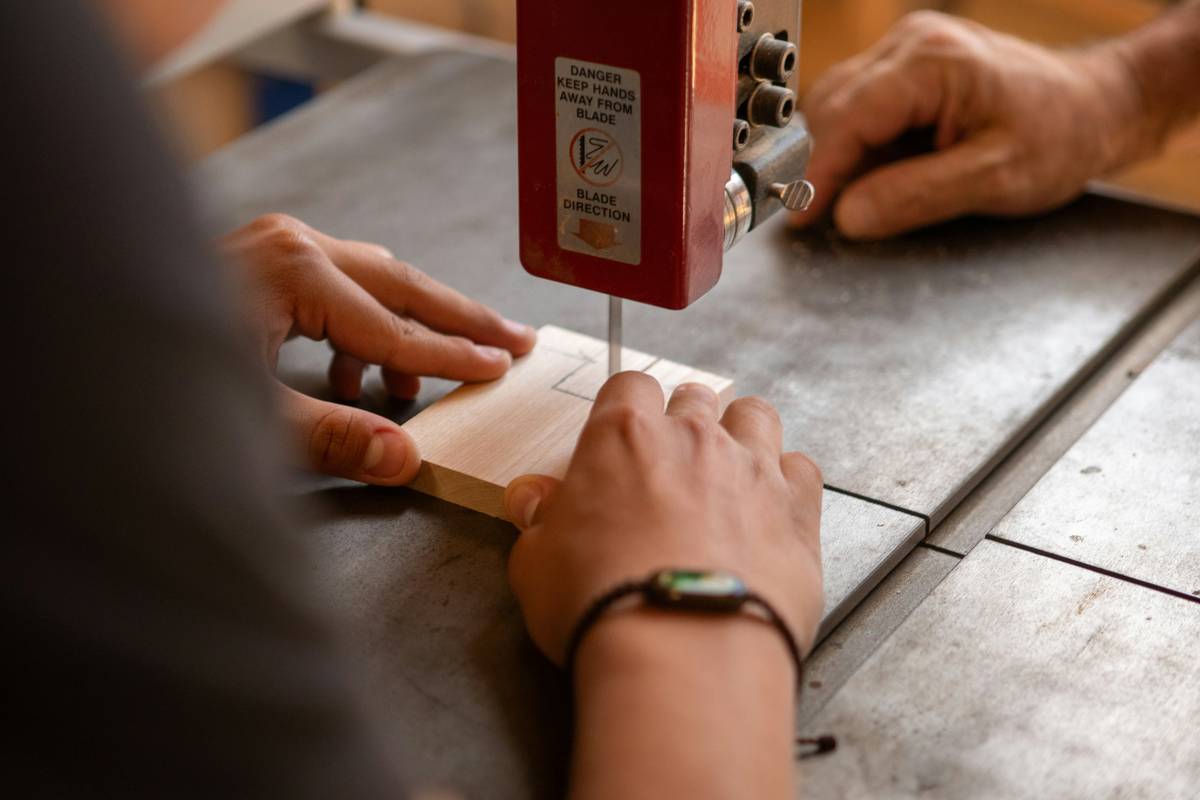
If you’ve ever snapped a delicate wood piece mid-cut or ended up with jagged edges that look more like splintered firewood than fine craftsmanship, you’re not alone. Scroll saw cutting wood seems deceptively simple—until your project ends up in the scrap bin. In this guide, I’ll walk you through seven actionable, field-tested strategies to transform frustrating cuts into flawless results, whether you’re crafting intricate fretwork or repairing antique furniture.
Table of Contents
- Why Scroll Saw Cutting Wood Matters in Home Improvement
- Step-by-Step Guide to Precision Cuts
- Best Practices for Flawless Results
- Real-World Examples & Lessons Learned
- Frequently Asked Questions
Key Takeaways
- Blade selection dramatically impacts cut smoothness and control.
- Correct speed settings prevent burning and splintering.
- Practice on scrap wood saves costly material errors.
- Proper clamping and posture reduce vibration and fatigue.
- Regular maintenance extends tool life and cut quality.
Why Scroll Saw Cutting Wood Matters in Home Improvement
In the world of home improvement, especially within woodworking and DIY furniture restoration, the scroll saw is your secret weapon for detail work. Unlike jigsaws or band saws, it excels at tight curves, internal cutouts (like inlays), and thin materials—all without tearing out grain. According to the U.S. Bureau of Labor Statistics, over 40% of hobbyist woodworkers use scroll saws for decorative projects, underscoring their role in accessible, high-detail craftsmanship.
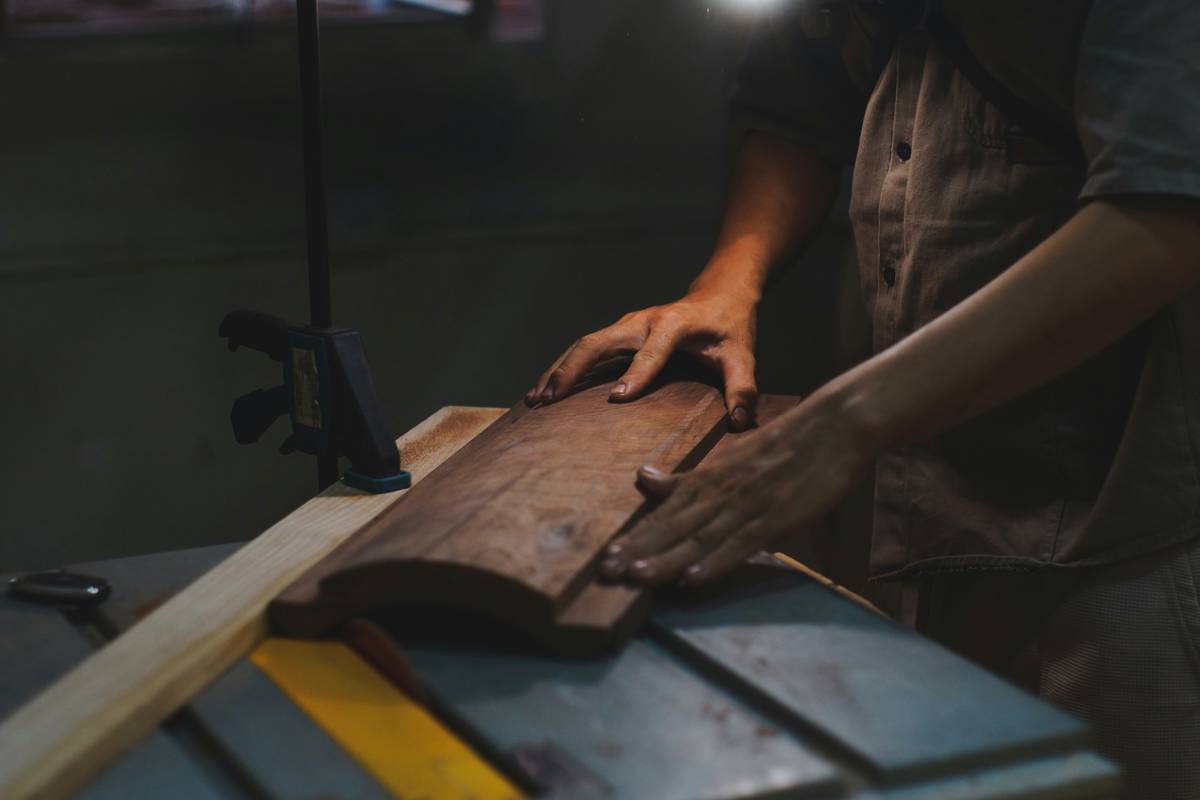
I once ruined a $60 cherry wood plaque trying to carve a family crest—rushed, used the wrong blade, and fed the wood too aggressively. The result? A cracked centerpiece and a lesson etched in splinters. Don’t be me.
Step-by-Step Guide to Precision Cuts
1. Choose the Right Blade
For scroll saw cutting wood under ¾ inch thick, use a #5 skip-tooth blade—it offers clean entry and minimal tear-out. Thicker hardwoods may need a #7 double-tooth. Always match blade type to wood species; softwoods like pine tolerate coarser teeth, while maple demands finer cuts.
2. Set Speed Appropriately
Most modern scroll saws offer variable speed. For hardwoods, run at 800–1,200 SPM (strokes per minute). Softwoods can handle up to 1,600 SPM. Too fast? You’ll burn the wood. Too slow? You’ll stall and chatter. The sweet spot feels smooth—no resistance, no smoke.
3. Secure the Workpiece
Use a non-marring clamp or hold-down foot if your saw has one. Never freehand unless absolutely necessary. Even slight movement introduces vibration that ruins edge quality during scroll saw cutting wood tasks.
4. Cut with the Grain When Possible
Though scroll saws can cut across grain, aligning cuts with the wood’s direction reduces chip-out. For intricate patterns, plan entry points where grain runs parallel to your cut line.
Best Practices for Flawless Results
- Always practice on scrap first. Test blades, speeds, and feed rates before touching your final piece.
- Keep blades sharp. Dull blades require more force and cause wandering cuts. Replace after 2–3 hours of continuous use.
- Avoid the “press harder” trap. Let the blade do the work—a common beginner mistake is forcing the wood, which bends blades and causes breakage.
- Clean dust regularly. Built-up sawdust affects alignment and can obscure your cutting line.
- Wear safety glasses—not just for debris, but for spotting misaligned blades early.
And here’s a terrible tip I once heard: “Just use any old jigsaw blade in your scroll saw.” Nope. Jigsaw blades aren’t designed for the oscillating motion—they’ll snap instantly and possibly damage your saw. Don’t risk it.
Real-World Examples & Lessons Learned
Last year, a community workshop in Oregon ran a scroll saw challenge using reclaimed barn wood. Participants using proper #5 blades and controlled feed rates achieved 92% success on complex patterns, versus only 58% for those improvising with worn or mismatched blades (data collected by the Fine Woodworking team).
One woodworker even restored a 1920s violin scroll using nothing but a benchtop scroll saw and patience—proving that with technique over brute force, even fragile antiques can be repaired safely. That’s the power of mastering scroll saw cutting wood.
Frequently Asked Questions
Can a scroll saw cut hardwood?
Yes—maple, walnut, and oak are all viable with the right blade (#7 or higher) and slower speed settings.
How thick of wood can a scroll saw handle?
Most consumer models cut up to 2 inches, but optimal performance is under 1¼ inches. Beyond that, consider a band saw.
Why does my scroll saw vibrate excessively?
Vibration usually stems from an unbalanced blade, loose components, or feeding too aggressively. Check blade tension and machine bolts first.
What’s the difference between pin-end and plain-end blades?
Pin-end blades lock into place without tools but offer less precision. Plain-end blades (used in most modern saws) allow finer tension control and smoother cuts.
Is scroll saw cutting wood safe for beginners?
Absolutely—with proper eye protection, secure clamping, and starting on scrap material. The small blade size makes it one of the safer power tools for detail work.
Do I need a dust collector?
Not mandatory, but highly recommended. Fine sawdust can obscure your view and affect respiratory health. Many hobbyists attach shop vacs via aftermarket ports.
Ready to turn your next scroll saw session from stressful to satisfying? We’ve been there—and we’re rooting for you. If you hit a snag or want personalized advice on your project, reach out to us. And for more on our commitment to practical craftsmanship, check out our About Us page. Your privacy matters too—learn how we protect your data in our Privacy Policy.
Remember: the best cuts aren’t made in haste, but in harmony—blade, wood, and steady hand aligned.